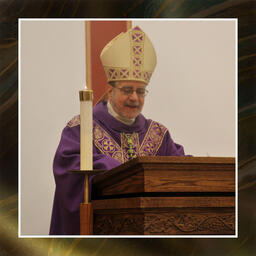
Bishop Elias Lorenzo
Auxiliary Bishop of Newark
New York City, NY, United States
Message
Connect
Profile:
Summary
Bishop Elias Lorenzo was born in Brooklyn in October 1960. He spent his childhood in Sunset Park, where he attended a parish elementary school that introduced him to steady study and a life shaped by faith. Growing up in a diverse neighborhood helped him value community and understand how daily routines support long-term growth. These early experiences encouraged him to develop a sense of responsibility and purpose. Over time, these influences guided him toward a vocation built on service, reflection, and a willingness to learn from each stage of his journey.
Lorenzo continued his education at a Catholic college, where he completed a degree in philosophy before beginning monastic life in a Benedictine community. When he made his vows in the mid-1980s, he embraced a way of living that emphasized prayer, learning, and cooperation. He was later ordained a priest, taking on responsibilities that required thoughtful attention to the spiritual and practical needs of those he served. Through these formative years, he strengthened his understanding of how careful listening and patient guidance help build trust within a religious community.
Bishop Elias began his ministry as a teacher at a secondary school connected to his monastery, where he taught religion and supported students through retreats and service programs. His work brought him into close contact with young people, enabling him to understand their concerns and help them grow academically and spiritually. He also worked with school leadership and the board of trustees as his responsibilities expanded. Despite additional duties, he continued to teach because he believed direct engagement was essential to effective leadership and meaningful service.
Bishop Elias R Lorenzo pursued further academic studies to deepen his ministry. He completed graduate coursework in liturgical theology, which helped him understand how worship shapes community and supports shared spiritual life. He later earned a degree in counseling, gaining skills that allowed him to support individuals facing emotional or personal challenges. He then completed studies in canon law, preparing him to assist religious communities with questions involving governance and pastoral care. This combination of disciplines strengthened his ability to serve with clarity, balance, and thoughtful insight.
Bishop Elias accepted leadership positions within monastic communities in the United States and abroad. He first served as prior at his home abbey before taking on the same role at an international Benedictine community in Rome. There, he worked with members from many cultures, learning to navigate differences through cooperation and shared purpose. He later represented Benedictine communities in matters requiring communication with the Vatican. These responsibilities broadened his understanding of global religious life and helped him appreciate the varied needs of communities worldwide.
Bishop Lorenzo contributed to international Benedictine education by supporting programs that strengthened both academic and spiritual formation in schools across several continents. His background as a teacher allowed him to connect naturally with educators, students, and administrators. He also participated in humanitarian medical missions, traveling to several countries and offering support wherever he could. These experiences reinforced his belief in serving others with humility, especially in unfamiliar environments where listening and collaboration are essential.
Skills